⛏️ Upstream Oil & Gas
Upstream Oil & Gas Applications
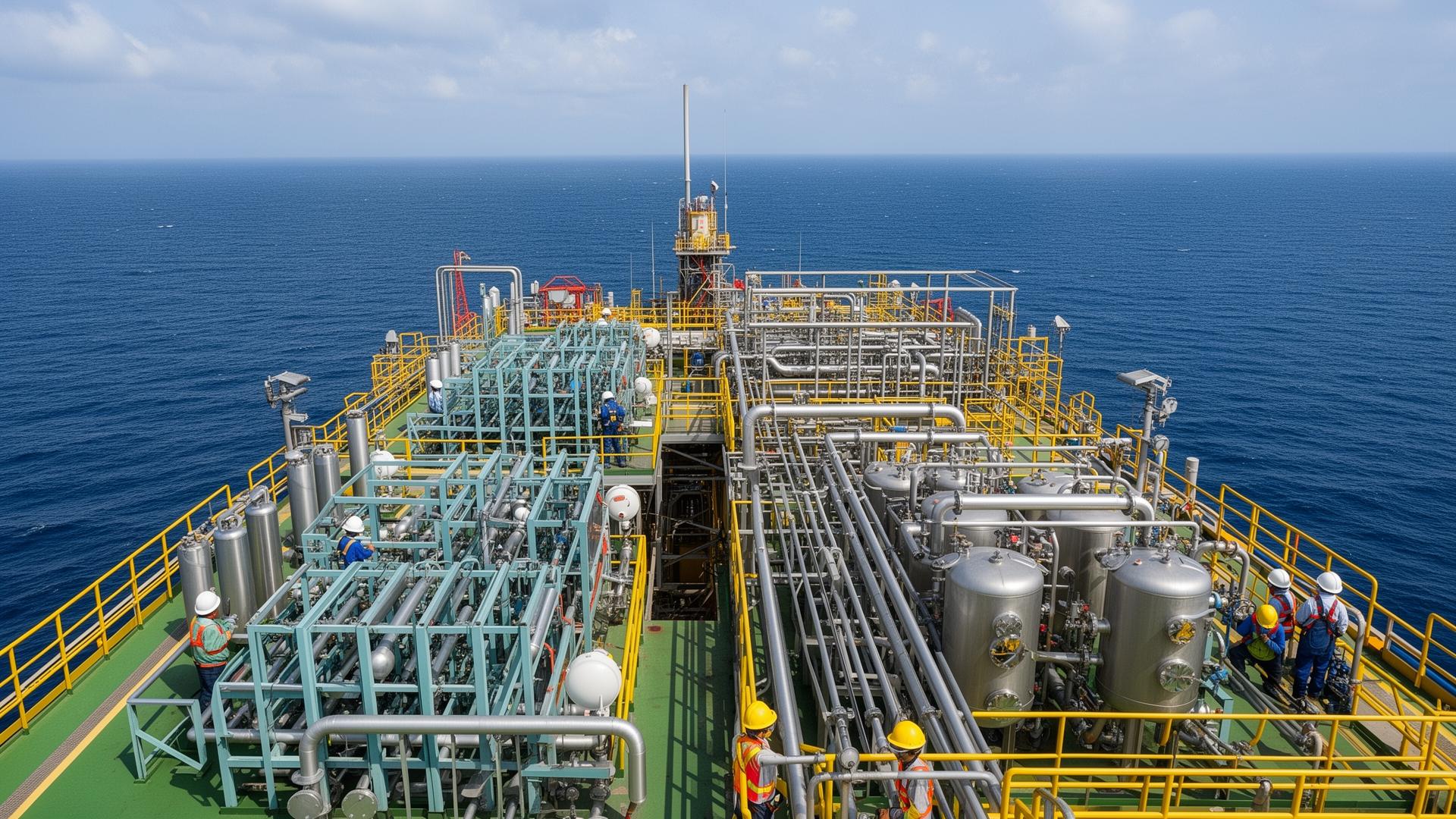
From the wellhead to the battery edge — WFS manages produced water, flowback, SAGD process water, and EOR injection water across conventional and unconventional plays worldwide.
Water Filtration Solutions · Upstream Oil & Gas
Produced Water & Oilfield Wastewater Treatment
Custom-engineered de-oiling, filtration and boiler-feed treatment trains for upstream drilling, exploration and production — onshore, offshore, heavy oil and unconventional.
Full-lifecycle
Study → design → build → operate
5 Applications
Onshore · offshore · SAGD · EOR · frac
Custom Trains
Engineered to each water analysis
Global
Atlanta HQ · Middle East offices
A specialized water-treatment firm for oil & gas
One partner for the entire produced-water lifecycle
WFS designs and deploys water-treatment technology purpose-built for the upstream sector. We characterize the water, custom-design a treatment train for the application, pilot it where required, then engineer, fabricate, deliver, construct, install, automate and continuously operate the plant.
Custom treatment trains
Every field is different. Water cut, droplet-size distribution, TDS, silica, scaling ions, bacteria and the discharge / re-injection / reuse target all shape the design.
How we deliver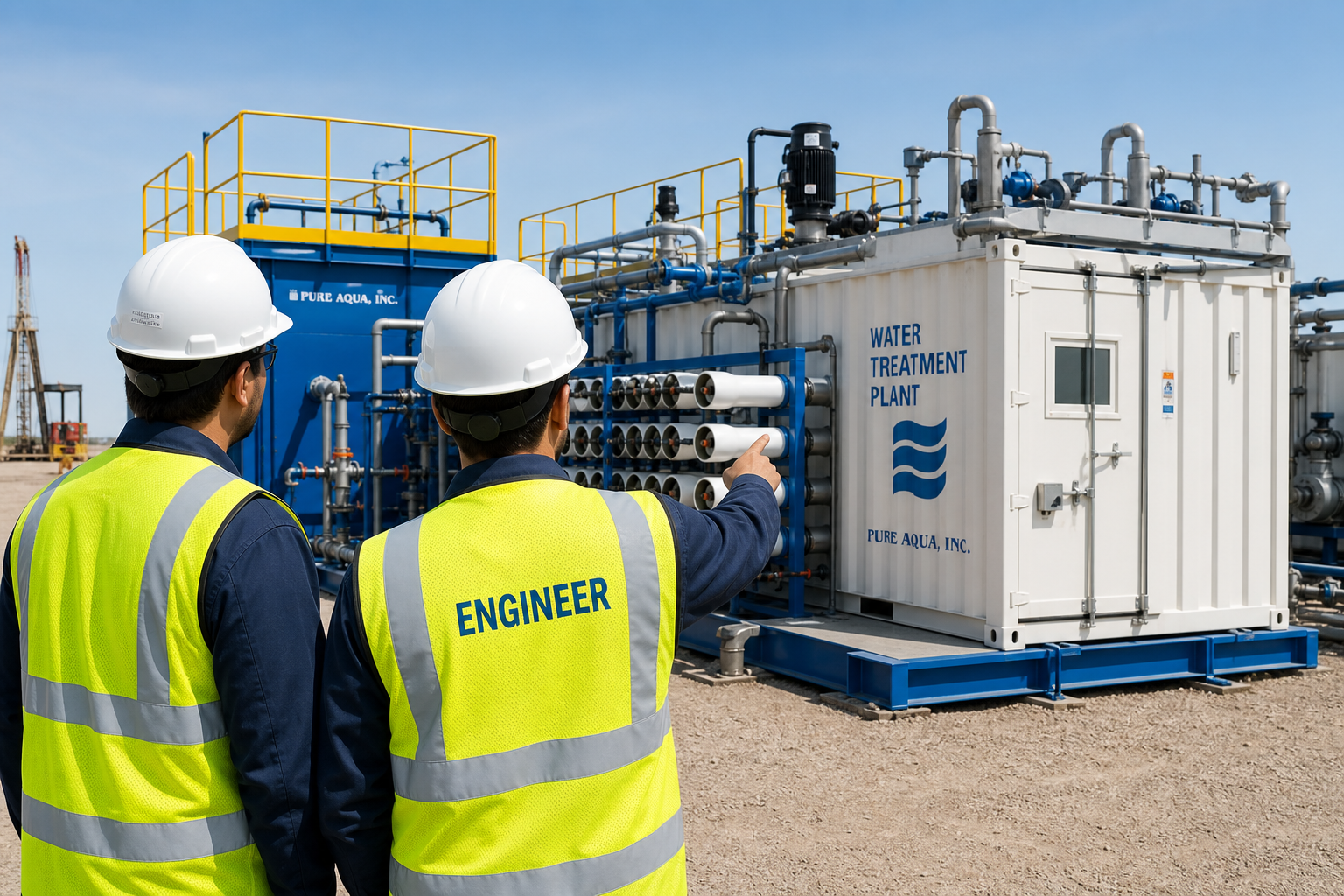
Applications
Upstream produced-water applications
By location and treatment train. Each application has its own landing page with process, parameters, challenges, filtration system, schematic, specifications and deliverables.
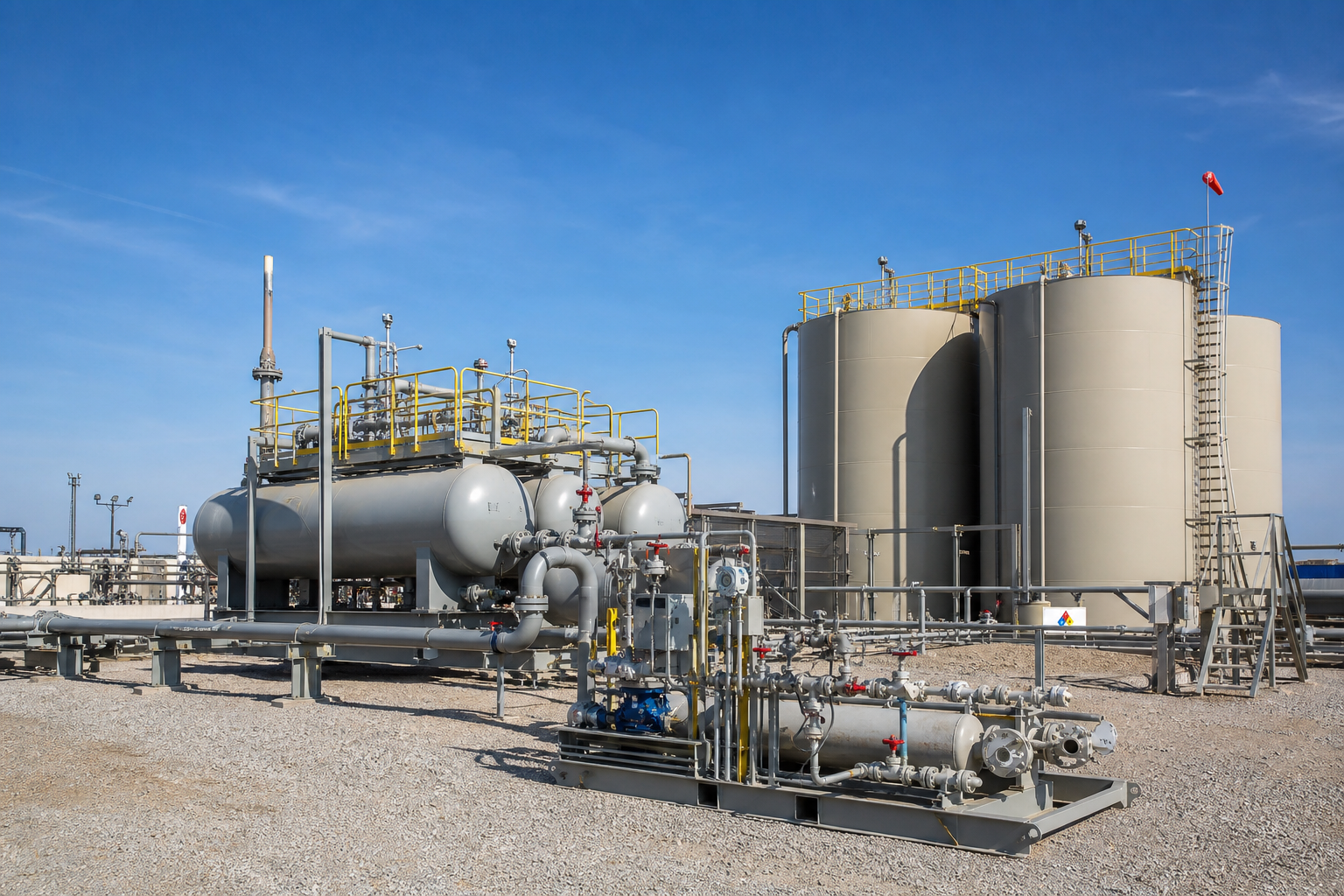 Onshore
Conventional Produced Water — Onshore
Robust de-oiling, solids and iron removal for onshore conventional fields — sized for disposal-well injectivity, re-injection or NPDES surface-discharge compliance.
See treatment train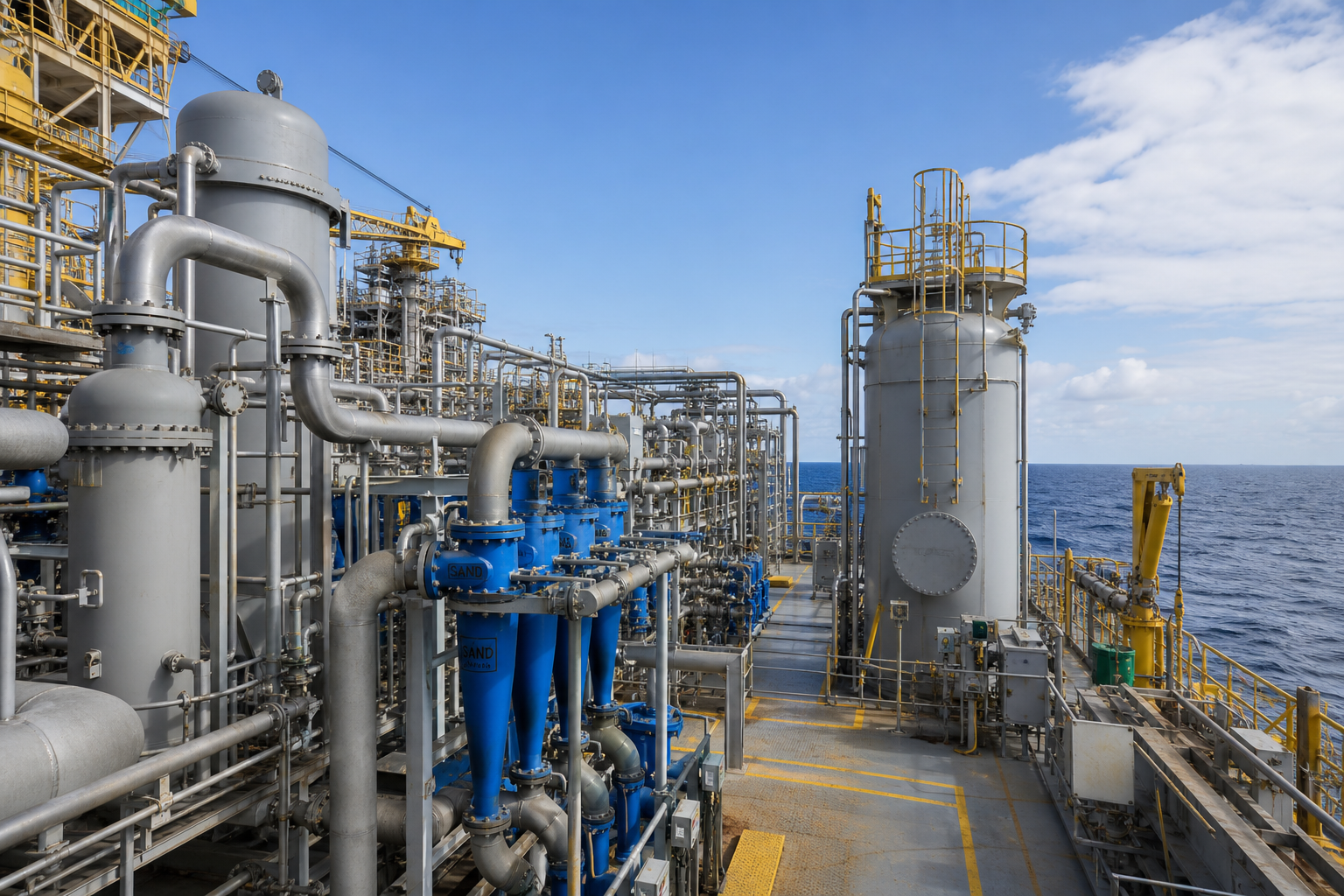 Offshore
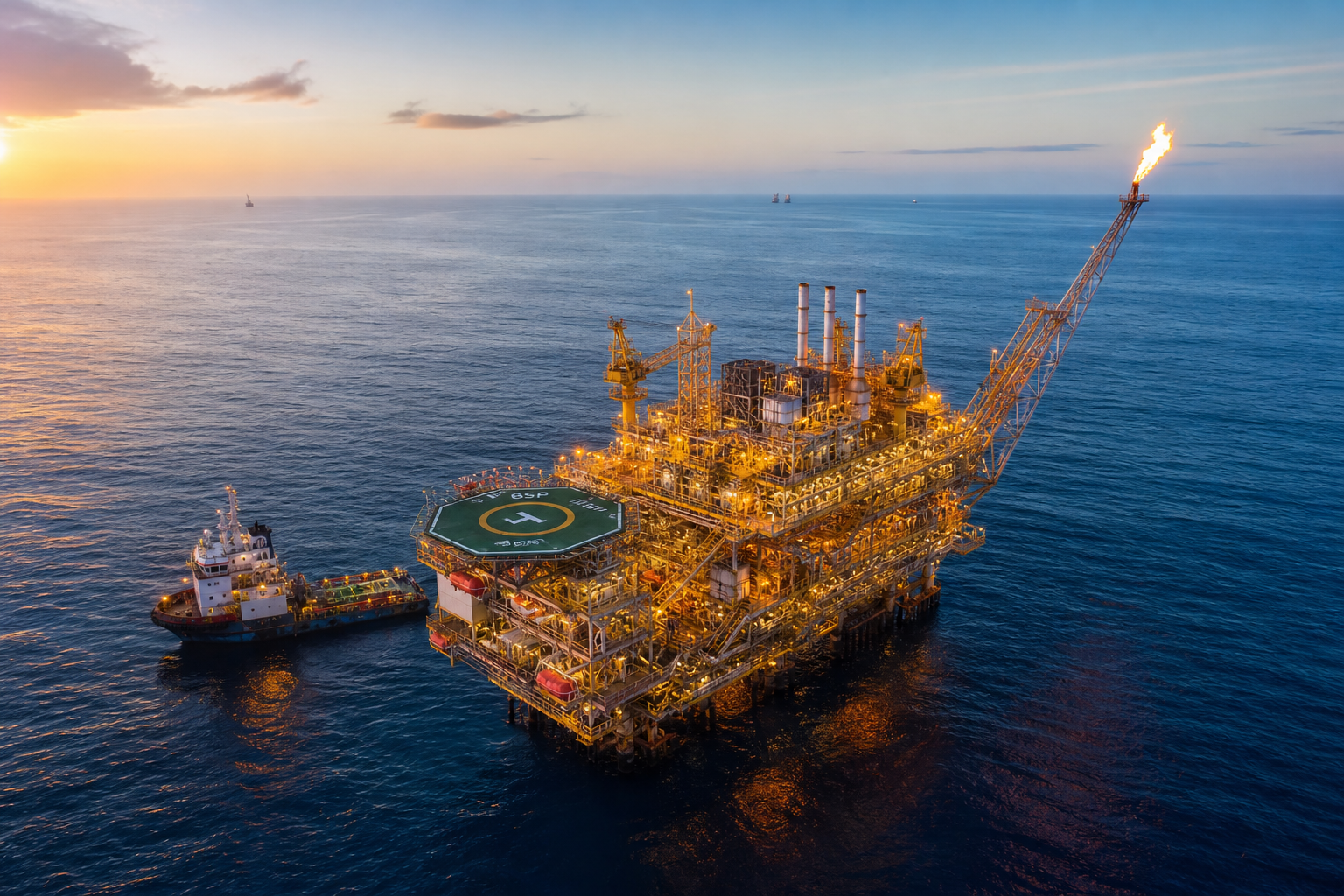
Conventional Produced Water — Offshore
Weight- and footprint-optimized de-oiling — hydrocyclones, compact flotation and polishing — to meet 30 mg/L (or lower) overboard discharge and condition water for produced-water re-injection (PWRI).
See treatment train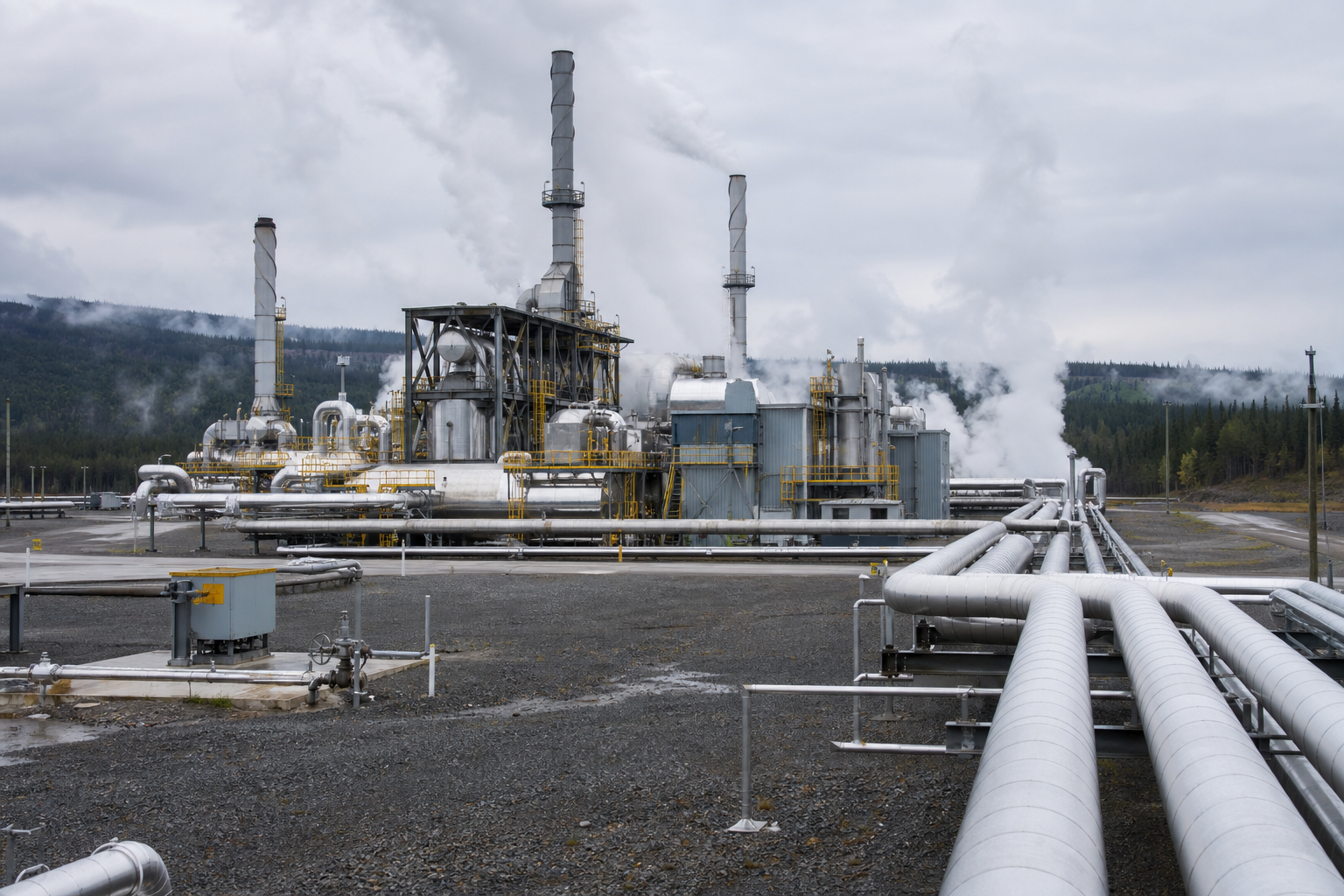 Heavy Oil / Thermal
SAGD — Steam Assisted Gravity Drainage
Closed-loop SAGD water treatment: skim and de-oil emulsified bitumen, then soften and de-silica produced water to OTSG or drum-boiler feed quality for >90% steam recycle.
See treatment train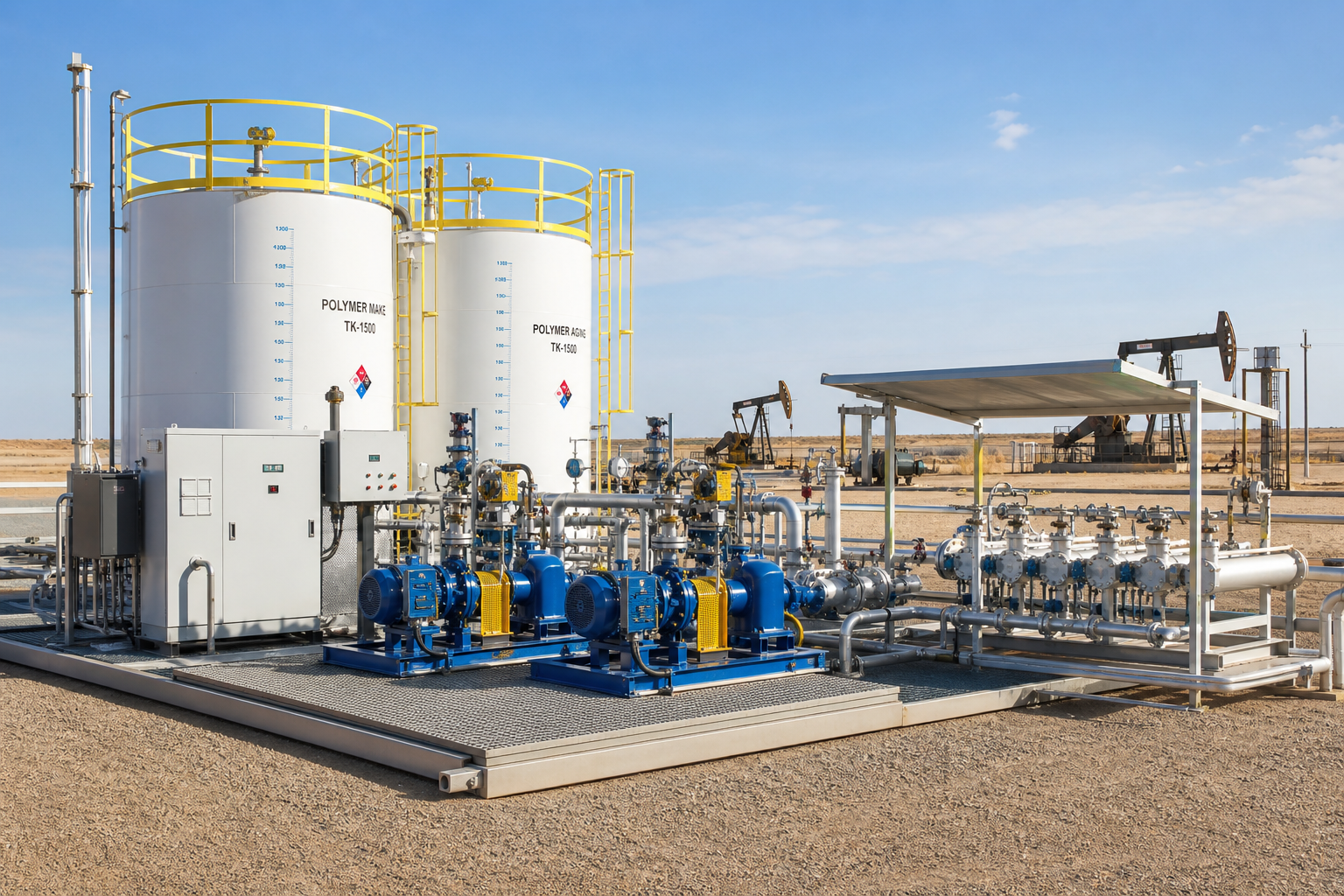 EOR / IOR
Enhanced Oil Recovery (EOR)
Tailored injection-water quality and produced-water de-oiling for polymer flooding, CO₂ injection and waterflooding — coalescence to grow droplets and fine filtration to protect reservoir injectivity.
See treatment train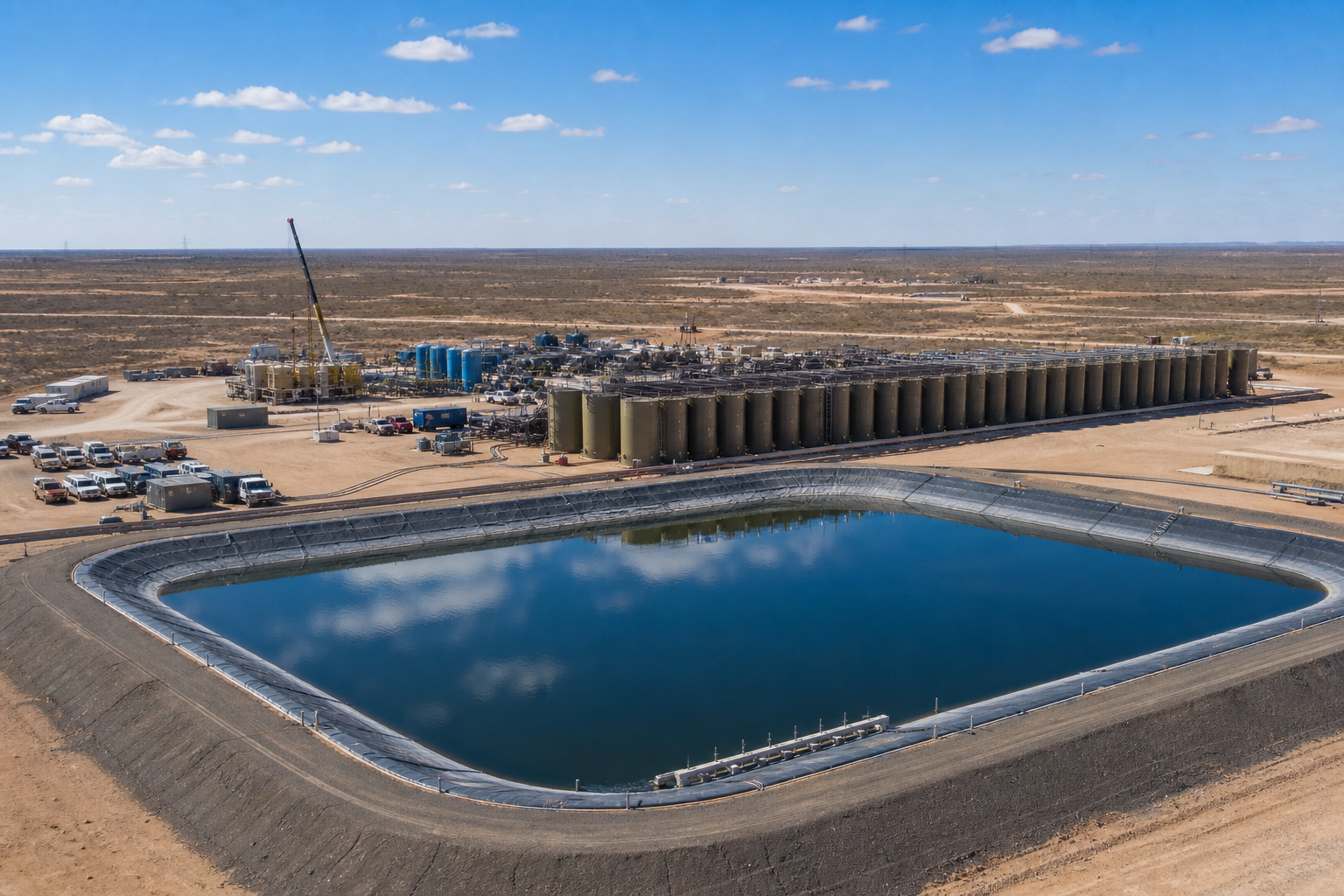 Unconventional / Shale
Frack Flowback Water Treatment
High-throughput clarification, de-oiling, iron and bacteria control to recycle flowback and produced water into the next frac — cutting freshwater use, disposal volumes and induced-seismicity risk.
See treatment trainStart here
Upstream Overview
Drilling operations, EOR & SAGD, produced-water types worldwide, a full characteristics comparison table, discharge criteria and treatment-path selection.
Solution Families
Upstream produced-water solutions
Four engineered solution families cover every upstream produced-water destination — reinjection, sour service, reuse and offshore discharge.
Produced Water Reinjection (PWRI)
Injection-spec water that protects formation permeability, guaranteed.
View solutionSour / H2S Produced Water
Full sour-service trains in high-alloy materials — H2S to below 1 ppm.
View solutionReuse & Desalination
Turn a disposal liability into a reusable water resource.
View solutionOffshore Produced Water
Compact, high-throughput de-oiling for platforms where deck space is scarce.
View solutionDischarge Criteria & Treatment Requirements
The destination defines the design
Treated produced water follows one of three paths — each with a very different governing specification.
Discharge — Environmental Release
Treated water released to surface water or overboard under regulatory permit.
- Oil in water< 15 – 30 mg/L
- TSS< 10 – 30 mg/L
- BTEX / dissolved HCPer permit
- Toxicity / metalsPer permit
Re-injection — Pressure Maintenance / Disposal
Water injected into the reservoir or a disposal formation; injectivity is the governing constraint.
- Oil in water< 5 – 15 mg/L
- TSS< 2 – 10 mg/L
- Particle size< 2 – 5 µm (98%)
- Dissolved oxygen< 20 ppb
Beneficial Reuse — Steam Gen / Frac Fluid
Treated water recycled as boiler feed water or blended into frac fluid.
- Oil (BFW)< 1 – 5 mg/L
- Hardness (drum boiler)< 1 mg/L
- Silica (OTSG)Within boiler limit
- TSS (frac reuse)< 10 – 50 mg/L
Why treatment-path selection matters
Right treatment path, right outcome
Choosing the correct path for produced-water treatment is the difference between a plant that meets spec for its lifetime and one that fouls, fails injectivity or over-spends on chemicals.
- 1
Characterization
A full water analysis — oil-in-water, droplet-size distribution, TSS, TDS, scaling ions, dissolved gases, organics, bacteria and NORM — establishes the true design basis. WFS samples, pilots and characterizes before sizing any equipment.
- 2
Constraint Analysis
The destination defines the target: discharge limit, injectivity spec, or boiler / frac-reuse chemistry. We layer on site constraints — footprint, weight (offshore), temperature, power, climate, mobility and chemical logistics — to bound the feasible process set.
- 3
Process Integration
The train is integrated with upstream separation and downstream injection / steam / reuse systems, with the right de-oiling, coalescence, filtration, softening and membrane stages sequenced for reliability, turndown and lifecycle cost — not just nameplate removal.
Single-source delivery
From characterization to continuous O&M
- 1Water characterization & treatability study (design basis)
- 2Process selection, mass balance, P&ID and treatment-train design
- 3Pilot / trial skid where required to de-risk performance
- 4Detailed mechanical, civil, structural and E&I engineering
- 5Equipment design, fabrication and Factory Acceptance Test (FAT)
- 6Delivery, site construction and mechanical installation
- 7Electrical installation, instrumentation, controls & SCADA integration
- 8Commissioning, performance test to guaranteed spec & operator training
- 9Continuous Operations & Maintenance (O&M) and remote monitoring
Have a produced-water stream to characterize?
Water Filtration Solutions studies your water, custom-designs the treatment train, pilots it where needed, then fabricates, installs, automates and operates the plant — from characterization through continuous O&M.